
Throughout thirty years of practice, I have learned that architecture is not really about buildings. It is about people.
The most memorable projects have never been the biggest, the most expensive or even the most awarded. They are the projects where architecture creates a deeper connection between people, place and purpose.
I remember designing the Jans Residence on a difficult suburban section. Surrounded by neighbours and constraints, the house turned its back on overlooking neighbours and opened north toward a bush-filled gully and the view of Mount Ngongotahā. It challenged the cookie-cutter housing model and demonstrated how thoughtful design could transform an ordinary site into something special.
The Harris Bach renovation was another lesson. Surrounded by Māori history and significant cultural landmarks, the design drew on the form and expression of the traditional Whare while creating spaces to display treasured collections and foster connection with the landscape. The architecture became a bridge between heritage, culture and contemporary living.
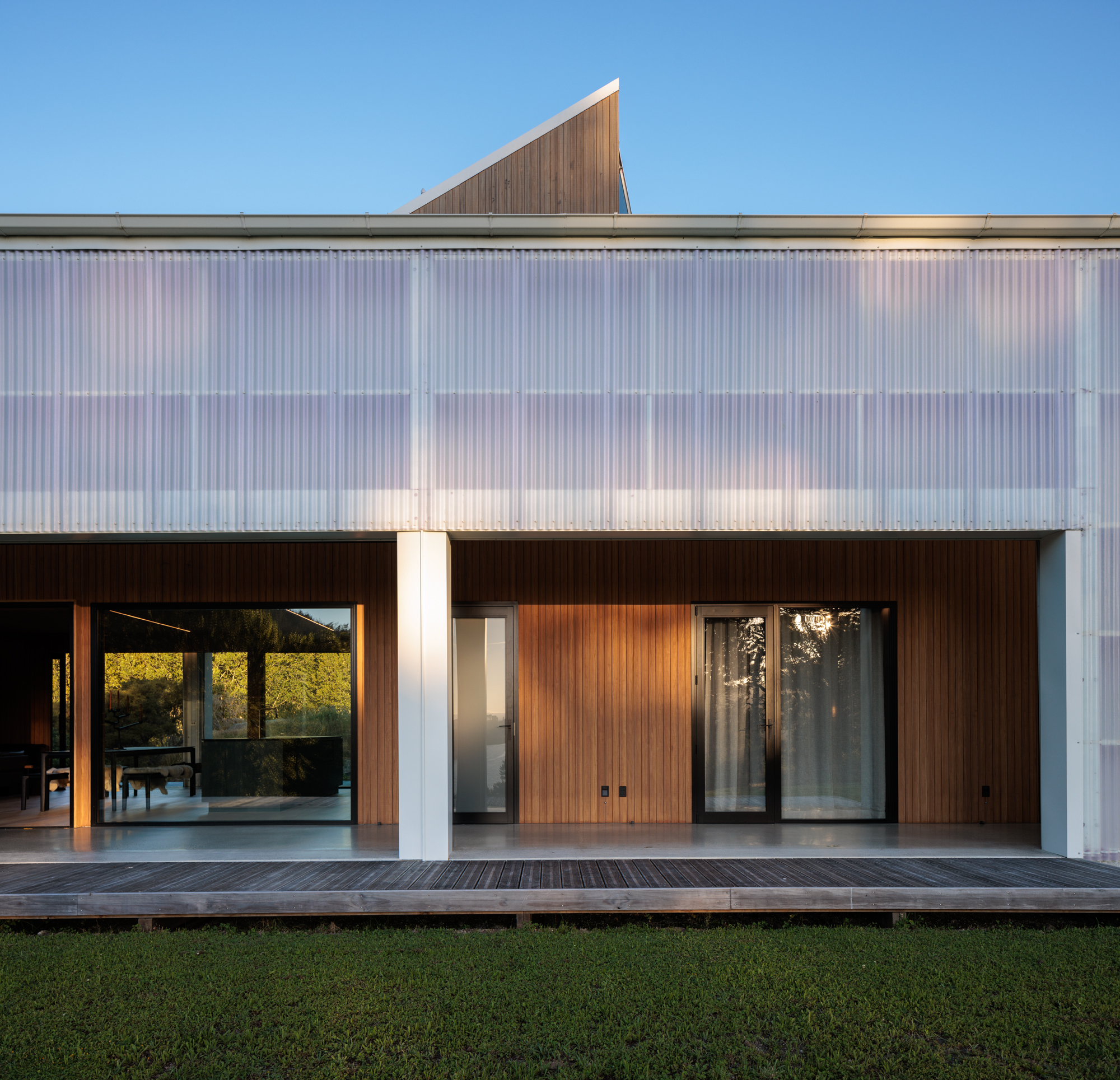
The Chodge, my personal family retreat, was a study in adapting spaces to the seasons and maintaining connection with a landscape. It challenged the normal conventions of what a house is, and how you live in a space. The Chodge allows its spaces to adapt to meet the flux of a couple or large family gathering. It was a great lesson in putting your money where your mouth is. It wasn’t designed to win awards; it was an experiment to challenge conventional thinking. Delightfully, others were intrigued by the ideas, and the Chodge went on to receive recognition from our peers, both nationally and internationally.
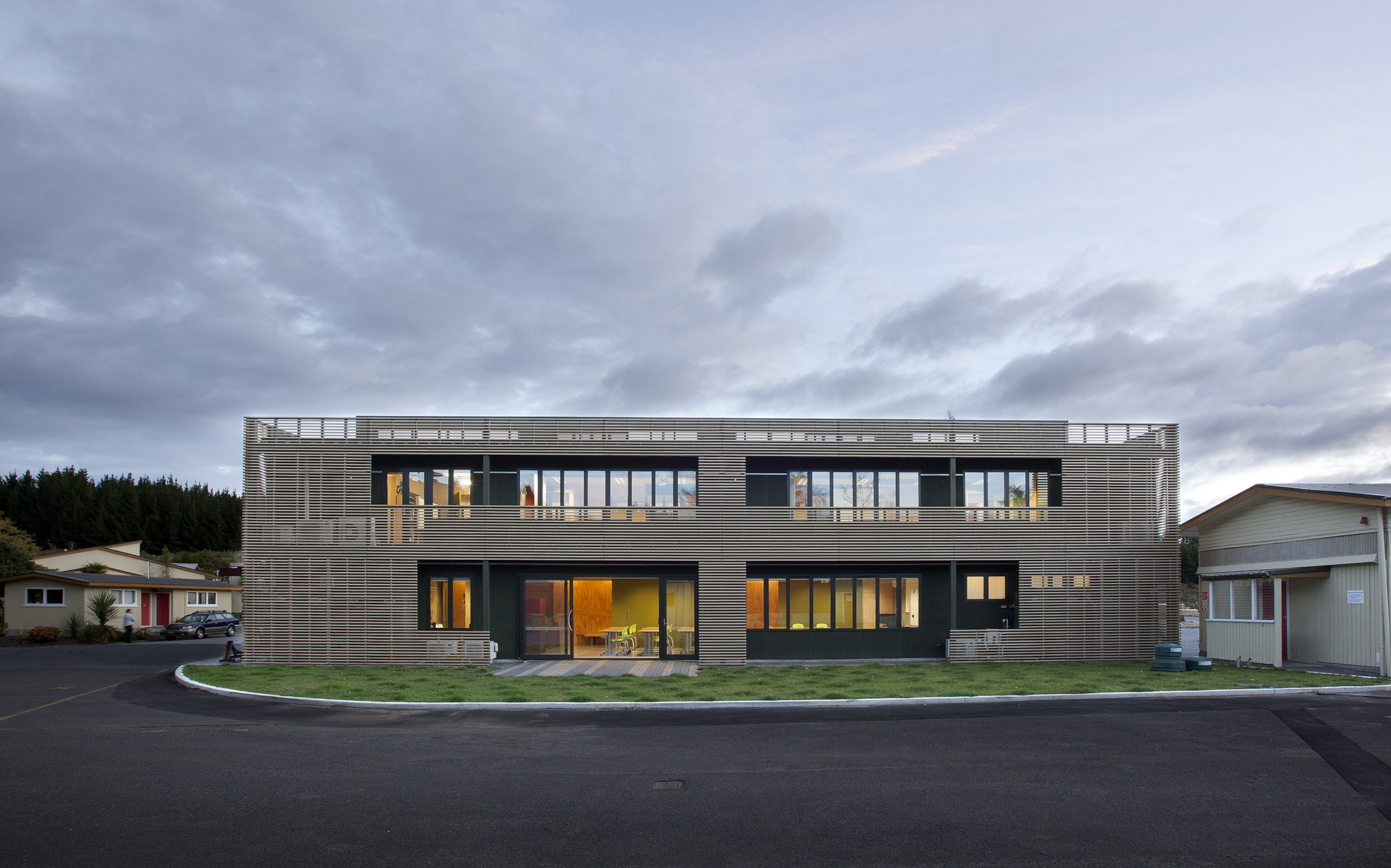
Over time our work expanded into education, community and public projects. The Waipa Wood Processing Workshop transformed industrial and educational requirements into a vocational story about timber, sustainability and place. The Toi Ohomai Health and Sciences Building reimagined learning spaces around wellbeing, collaboration and flexibility. The Redwood Forest toilets demonstrated that even the humblest building types can contribute positively to cultural identity and environmental stewardship.


What these projects share is a common idea. People remember how a place makes them feel. They remember whether it brought them together, supported learning, strengthened community or created joy.
Architecture is often presented as an artistic pursuit, but I have become increasingly convinced that its true purpose is connection. Good architecture helps people connect with their families, their communities, their culture and their environment. The building itself is simply the medium through which those relationships are strengthened.
Working in Aotearoa has deepened this for me. Partnering with iwi and listening to the stories held in a place has taught me that a building can carry meaning long before the first visitor walks through the door. When architecture honours those stories, people feel it, even if they can’t quite name why.
In the final part of this series, I’ll share how these lessons have shaped the way DCA works today, and where we’re heading next.
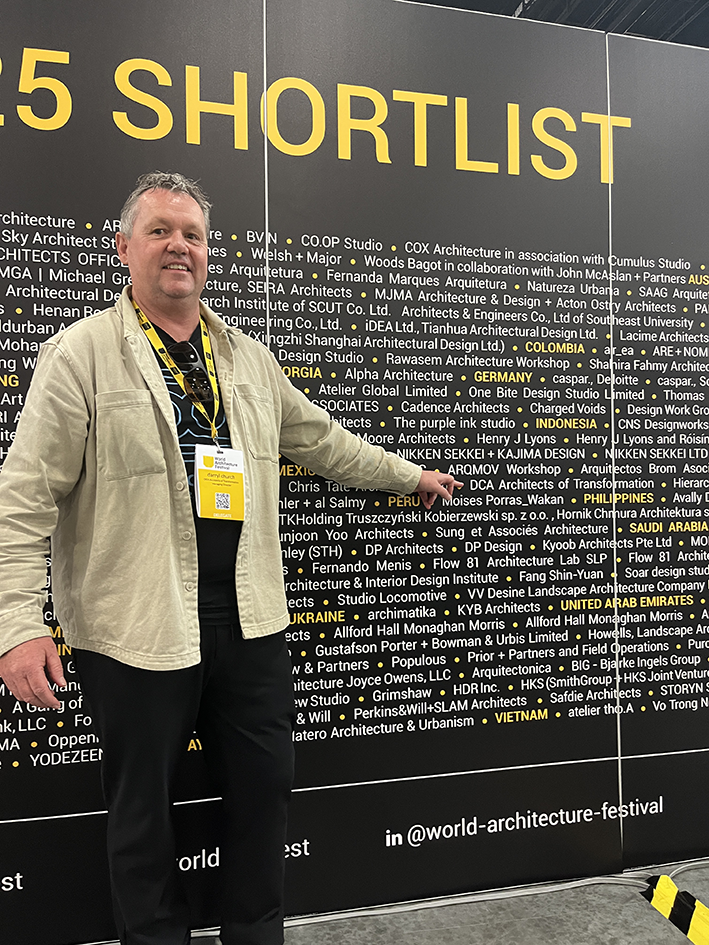
2025 World Architecture Festival / Whare Waka: Finalist – Completed Buildings (Display)